
tap dance
Baltimore, Maryland
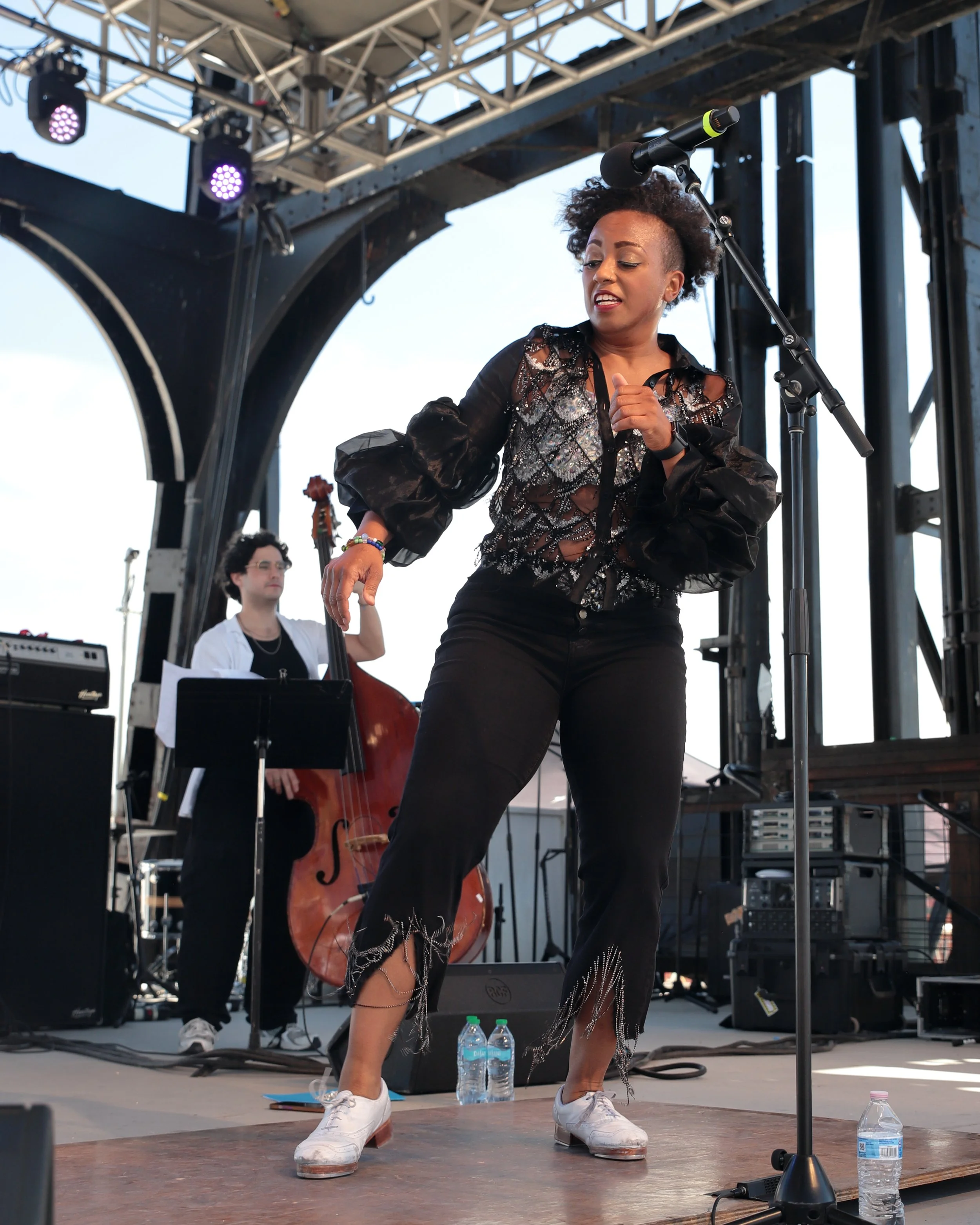
Photo courtesy of Joshua Pate-Taylor
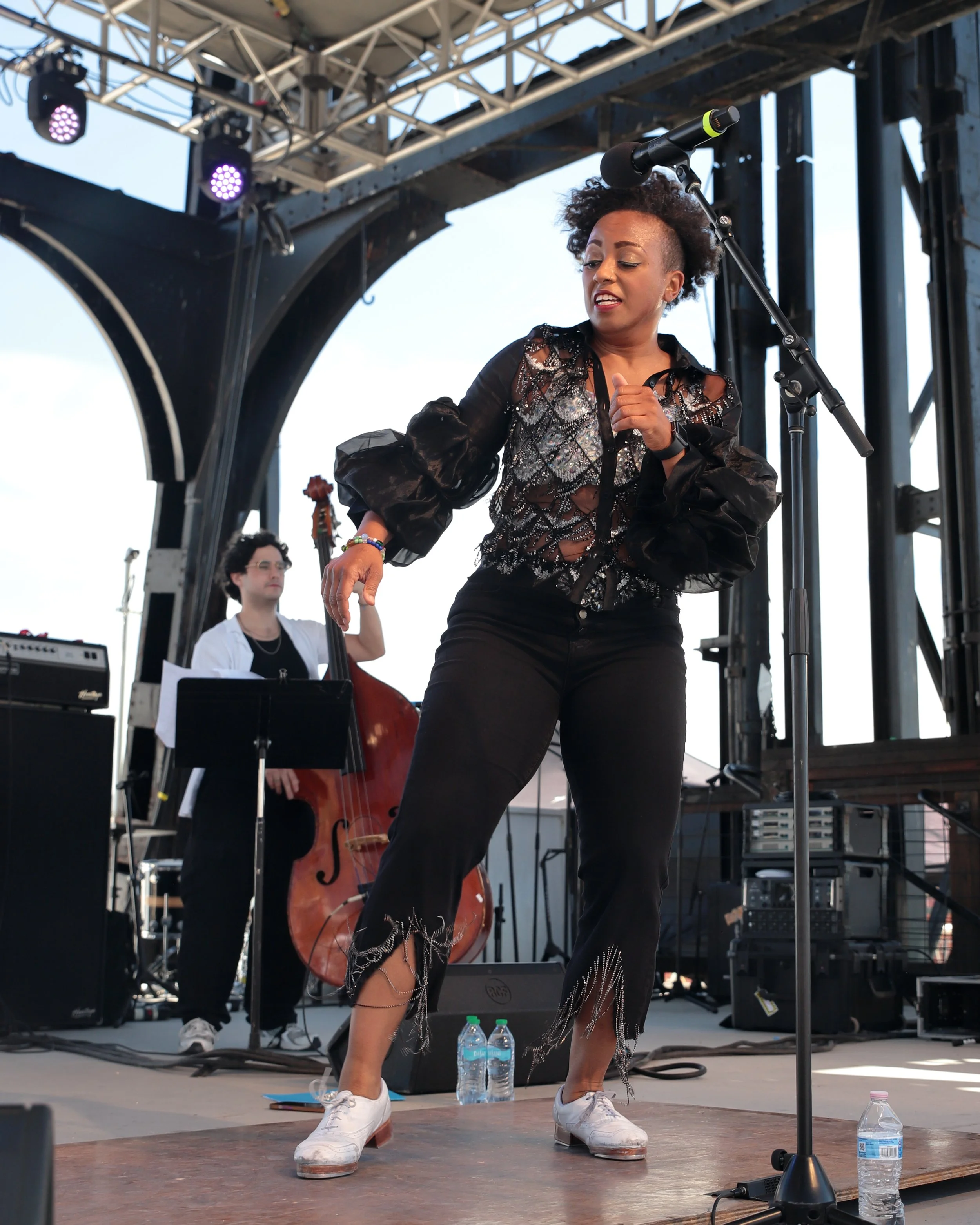
Alexandria “Brinae Ali” Bradley is at the forefront of a new generation of artists who are using tap dance as a vehicle for both artistic expression and community activism. Besides being a dancer, choreographer, and teacher, she is applauded for her multifaceted talents as a playwright, spoken-word artist, singer-songwriter, and community organizer. In a recent review, the New York Times praised how her historically informed work “looks back to look forward.”
Tap dancing is a uniquely American art form that arose in the 19th century from African rhythm and dance traditions—including the Ring Shout, the Juba, and the Cake Walk—combined with step-dancing traditions from Europe, particularly the British Isles. Minstrelsy, vaudeville, and Hollywood, in turn, made tap one of the most beloved of the early popular dance genres. In the early decades of the 20th century, tap was profoundly influenced by the rhythmic motifs and structured improvisation of jazz. During the tap renaissance of the past 30 years, Latin and Afro-Caribbean rhythms, hip hop, and funk have continued to add rich new beats and sensibilities to the form.
For Brinae, tap dance is a family affair. Growing up in Flint, Michigan, her first teacher was her father, Alfred Bruce Bradley, founder of Tapology Festival and Dance Company. Through her father’s mentorship, Brinae sharpened her mastery of tap and at 14, she and her sister won the Amateur Night contest on Showtime at the Apollo. A few years later, as a college freshman in New York City, she joined tap giant Savion Glover’s dance company; her professional training also included tap legends Ted Levy and Dianne Walker.
In 2018, Ali moved to Baltimore, where she has become a fixture in the music scene. With her husband, Grammy-winning trumpeter Sean Jones, she co-founded the Baltimore Jazz Collective. “Understanding that the tap tradition is rooted in jazz culture pushed me into studying the musical form and understanding the marriage between the voice and the body,” says Ali. Like jazz musicians Sun Ra and Pharoah Sanders, Ali’s work is informed by the concept of Afrofuturism. “Afrofuturism is using art as a means of liberation. This art form evolved from alchemists who took a painful situation and found the magic in it,” she explains. Her most recent work, The Baby Laurence Legacy Project, a commission for the Baltimore Jazz Collective, explores the history of Baltimore-bred dancer Laurence Donald Jackson and his impact on tap dance and jazz music. Brinae has taught and danced professionally in New York City, Philadelphia, Flint, Baltimore, and toured abroad.
At the Richmond Folk Festival, Ali will be backed by keys, bass, and drums. Her performances will include dance, song, and storytelling with the material ranging from jazz standards to hip-hop and neo-soul and her own originals. Her appearance comes during a busy year that also includes a performance of The Baby Laurence Legacy Project at the Jacob’s Pillow Dance Festival in Massachusetts and work as associate choreographer on a Broadway-bound show set to premiere in Spring 2027.