
Tibetan opera, folk song, and dance
New York, New York
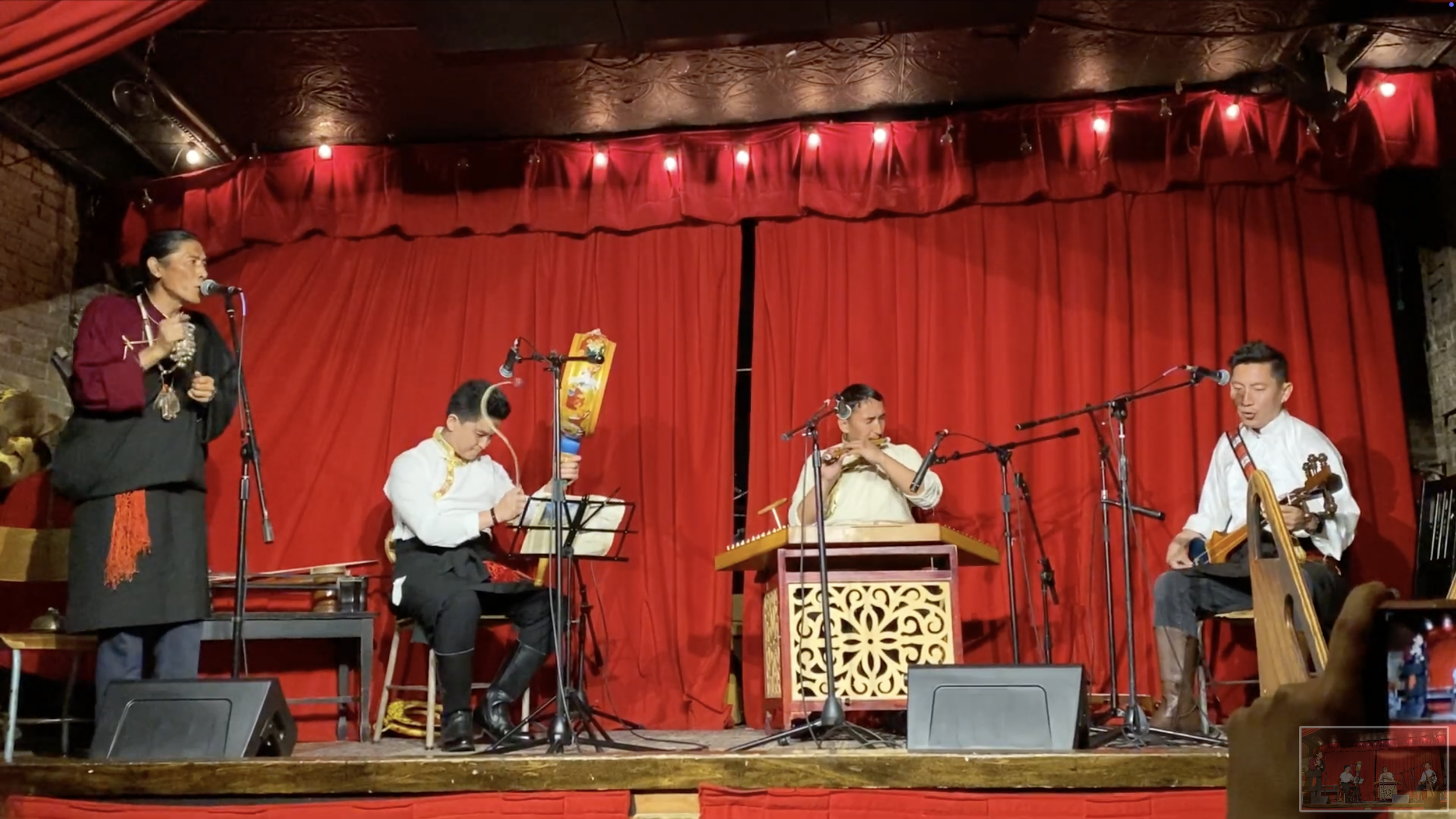
Photo courtesy of Jalopy
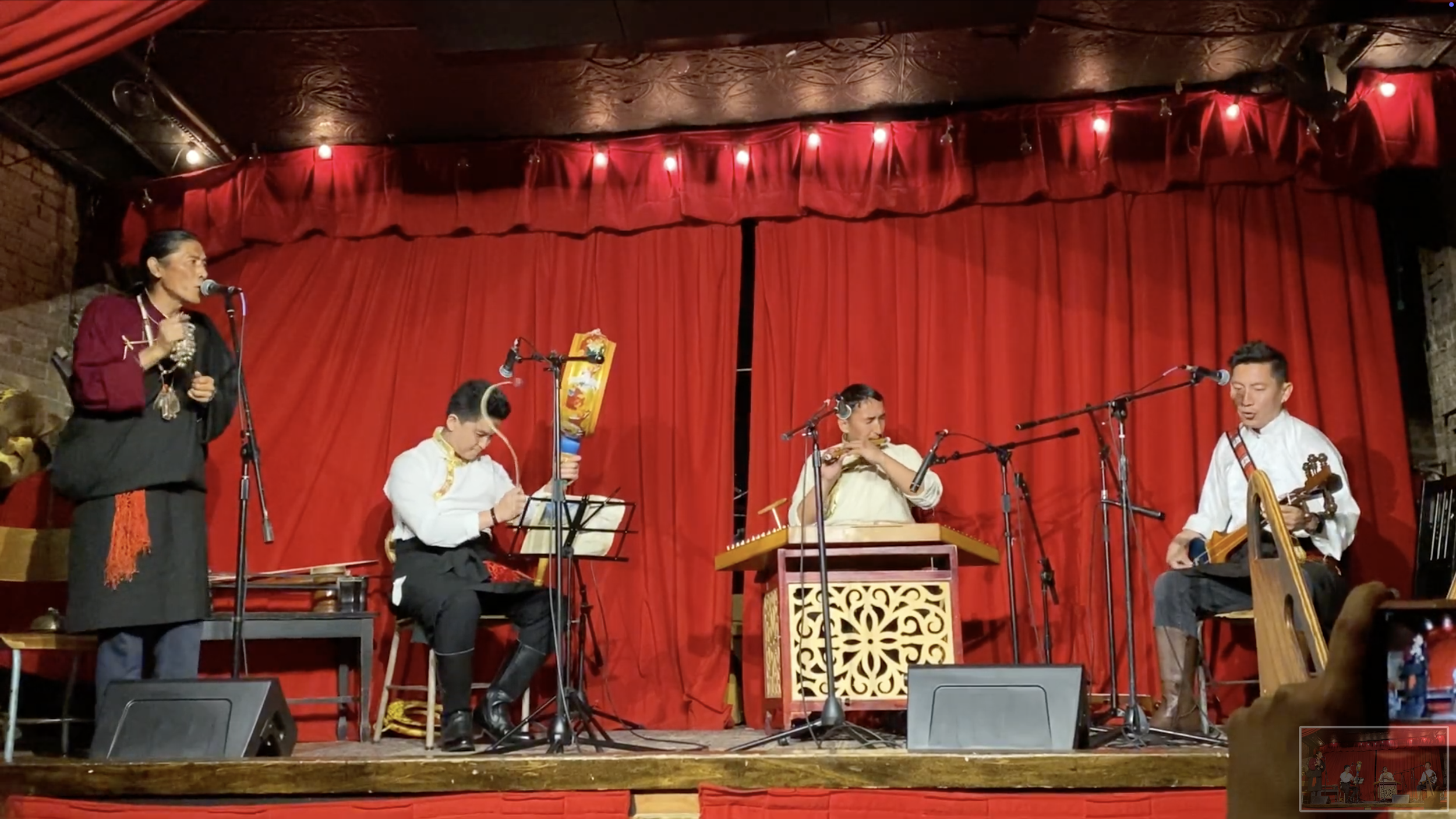
A lifeline to the Himalayas rings out in the music and dance of the New York Tibetan Ensemble. Strumming the dranyen lute, singing tales of hunters and princesses, stomping and swaying, the group sustains performing arts traditions from Tibet and across the Himalayas, including Nepal, Bhutan, and northern India. Their repertoire encompasses regional folk songs, classical court traditions, and opera alike to stir broad streams of heritage in the Tibetan-Burmese speaking world.
Based in Queens, New York––home to the largest Tibetan population outside of Asia––the New York Tibetan Ensemble is made up of a broad range of instrumentalists, vocalists, and dancers, drawing together both professionally trained masters and amateur artists. The ensemble is led by Tashi Dhindu Thakuri, whose 20 years of experience as a performer and educator of Tibetan music has extended across Asia, Europe, Australia, and the U.S. Tashi and his fellow performers all promote the music and arts of Tibet both onstage during performances and offstage in educational efforts across the world, and have found special meaning in their work with the New York Tibetan Ensemble. The group was formed during an initiative by the Center for Traditional Music and Dance (CTMD) to sustain Himalayan traditional performing arts. As keepers of an endangered tradition, the group serves a vital role in preserving Tibeto-Burmese language and culture stateside, particularly among communities of elders who seek outlets to pass on their knowledge. Joining Tashi are Tezin Jamyang, Tenzin Nyeden, Tezin Namsig, Tenzin Chunney, and Rinzin Dolma. In addition to the performers, the ensemble includes Tibetan cultural expert Nawang Tsering Gurung, who provides contextual depth to the music, movements, and dramaturgy of the group.
The sound of the ensemble is inviting as it is intricate. It features a string-led set of traditional instruments from the Himalayas, including the dranyen, a plucked long-neck lute; yangchen, a hammered dulcimer; piwang, a two-stringed fiddle; lingbu, an end-blown flute; and percussion instruments such as drums, cymbals, and jingle bells. Their repertoire reflects the diversity of Tibetan artistic expression, including pentatonic traveling songs from mountainous Kham (Eastern Tibet), foot-stomping dance songs from the central Lhasa district, folk operas (lhamo), and nangma, a festive music and dance tradition dating back to 16th-century Tibet. In performances of nangma, instrumentalists follow each other along a common melody and fluctuate tempo according to the accompaniment of dance or singers. Nangma songs begin with an instrumental introduction, proceed with sung poetry often depicting Tibetan Buddhist morality, and end with a lively up-tempo dance section. The overall effect is dense, rhapsodic, and infectiously catchy.
Himalayan performing arts in the U.S. offer far more than entertainment: they provide an inclusive outlet for Himalayan diasporic communities to collectively celebrate their shared heritage. Nawang, Tashi, and the collective members of the New York Tibetan Ensemble ensure that music, dance, and stories from the Himalayas continue to teem with life and community in New York City and far beyond.