
traditional Sephardic song
Miami, Florida
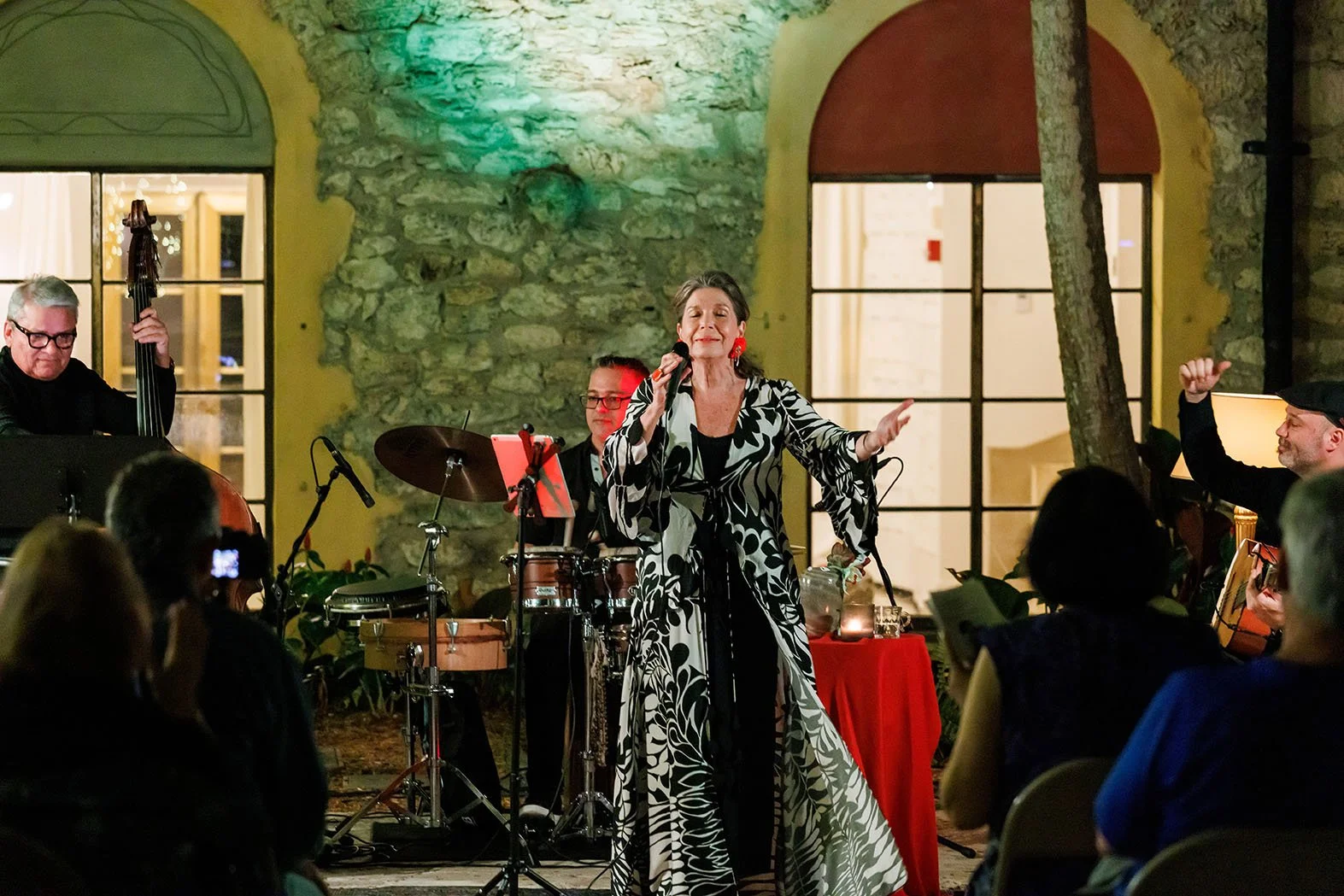
Photo courtesy of artist
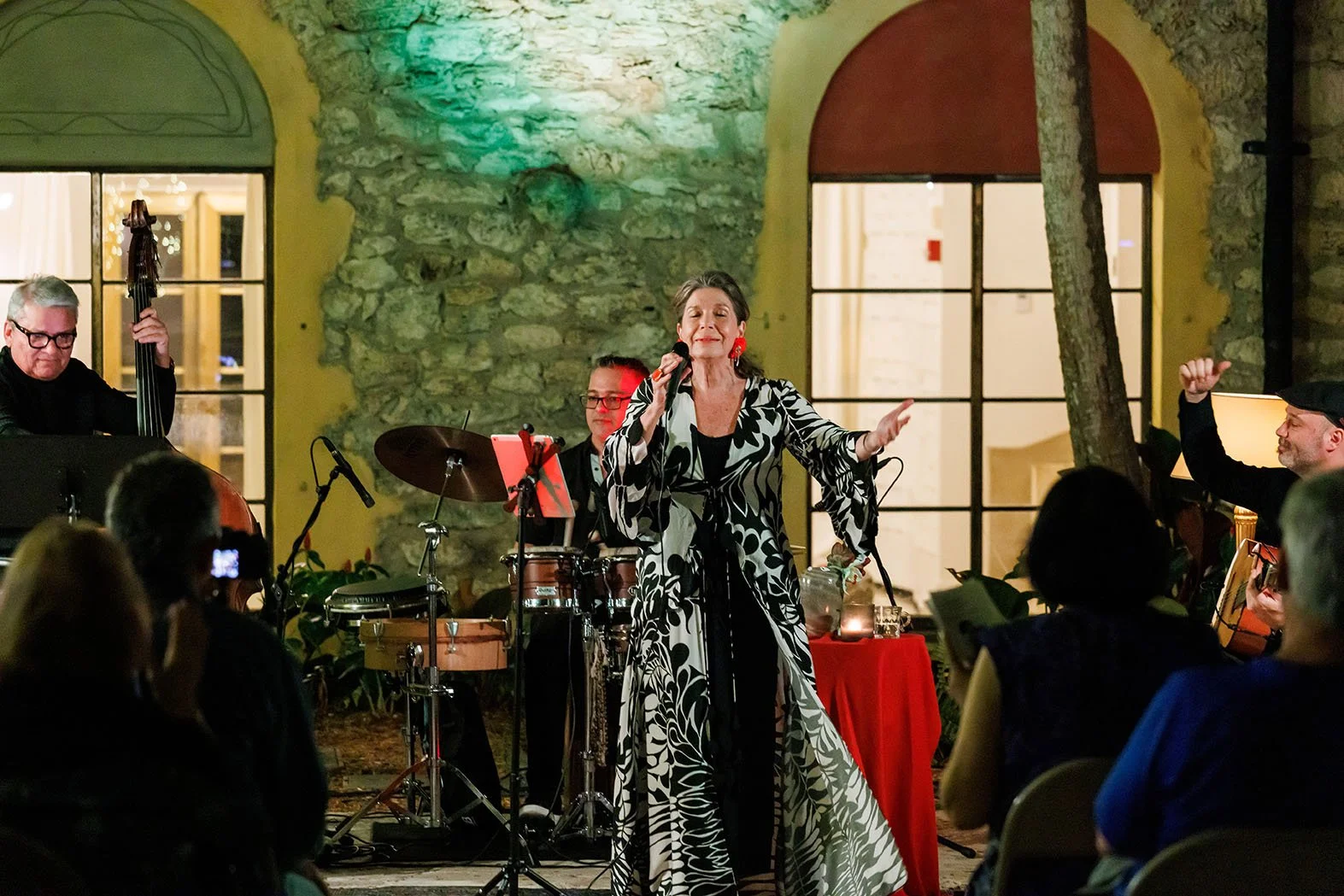
Susana Behar of Miami is a leading voice and cultural champion for Sephardic song. She weaves together her Jewish, Cuban, and Venezuelan heritage to bring a unique perspective to the music of the Sephardic diaspora in the Americas. Singing primarily in the once-endangered Ladino language with grace, passion, and beauty, Behar illuminates and reclaims this deeply evocative, centuries-old tradition, with an emphasis on history, culture, storytelling, and inclusion.
The story of Sephardic music starts in 1492, when the Spanish Inquisition forced the Jewish population of Spain and Portugal to convert to Catholicism or face expulsion, putting an abrupt end to over a millennium of Jewish civilization in Iberia. Those who chose exile migrated to a variety of more tolerant destinations—the Ottoman Empire, North Africa, Italy, the Netherlands, and even the newly discovered Americas. Wherever they went, they took their Ibero-Jewish language—now known as Ladino, with roots in medieval Spanish, Hebrew, Arabic, and Aramaic—with them. This diaspora-within-a-diaspora became known as the Sephardim. As these communities settled across the Ottoman Empire, the retention of the Ladino language became threatened. Sephardic music, however, absorbed Turkish, Greek, Arabic, and Balkan elements, notably microtonal, modal sounds. Many of these songs, or kantikas, set old lyrics to popular melodies from these surrounding cultures, keeping the songs relevant and the tradition flexible and alive for generations.
Born in Havana to a Cuban and Turkish Sephardic family, Susana Behar grew up listening to her grandmother, mother, and aunts sing these kantikas in Ladino, as well as the irresistible Cuban musical traditions that surrounded her. In 1965 she immigrated to Venezuela where she eventually explored and performed the music of her adopted country, adding to her repertoire of Cuban and Sephardic music and folklore.
In 1983, Susana immigrated once again, this time to Miami, where she has lived ever since, devoting her musical career to the research, preservation, promotion, and advancement of the Sephardic musical repertoire, and by extent, the Ladino language. Each of her performances combines an abiding love for her family ancestry with a depth of appreciation for Sephardic tradition to convey centuries of displacement and cultural resilience to her audience. She has recorded two critically acclaimed albums: La Galana y el Mar (2010) and TAPIZ: Sephardic Songs (2018). Her music has also been featured in the documentary Adio Kerida.
Susana has performed across North and South America, the Middle East, and Japan, always collaborating with musicians from diverse musical traditions, including the National Arab Orchestra, flamenco guitarist and composer Jose Luis de la Paz, and dancer and choreographer Niurca Marquez. She has attracted both critical praise and recognition for her dedication to preserving and elevating an endangered repertoire. In 2015, Susana received the Individual Artist Fellowship Award in the Folk and Traditional Arts from the Florida Department of State. In 2020, she was an Artist-in-Residence at HistoryMiami Museum, and has been an artist resident at the Deering Estate since 2023. In Richmond, Susana will be joined by Michel Gonzalez on guitar and Adolfo Herrera on percussion.